
Decoding Kenyan Tech Salaries
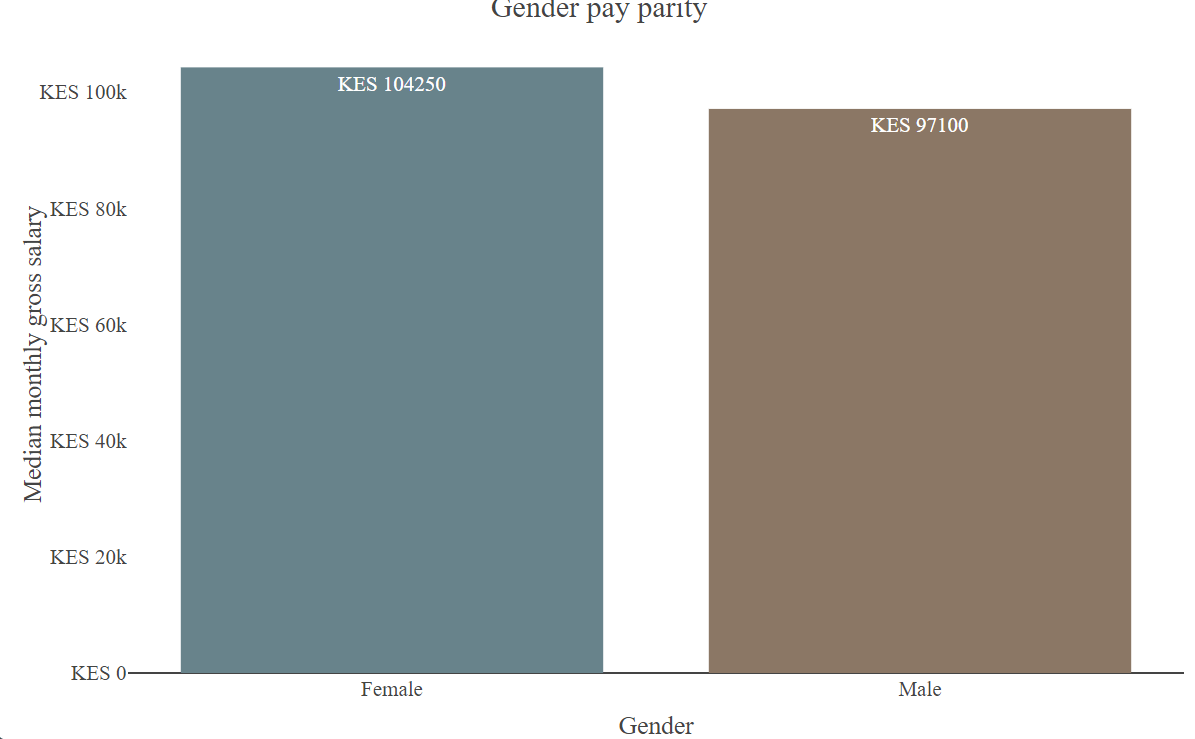
Impressive gender pay parity! - Kenyan tech ladies earn 4.25% more and they have equal representation in the tech workspace.

In recent years, Kenya’s tech industry has experienced remarkable growth, positioning itself as a leading hub for innovation and digital transformation in Africa . As the sector continues to expand, understanding the tech landscape salaries becomes crucial for both employers aiming to attract top talents and professionals seeking compensation. Thanks to Phoenix_Ke analytics who set up a Google form to collect data on tech professionals and salaries, in this article we use the data submitted to examine factors such as gender pay gap, years of experience and industry comparisons.
Nonprofits and Telecommunication industries offer high salaries
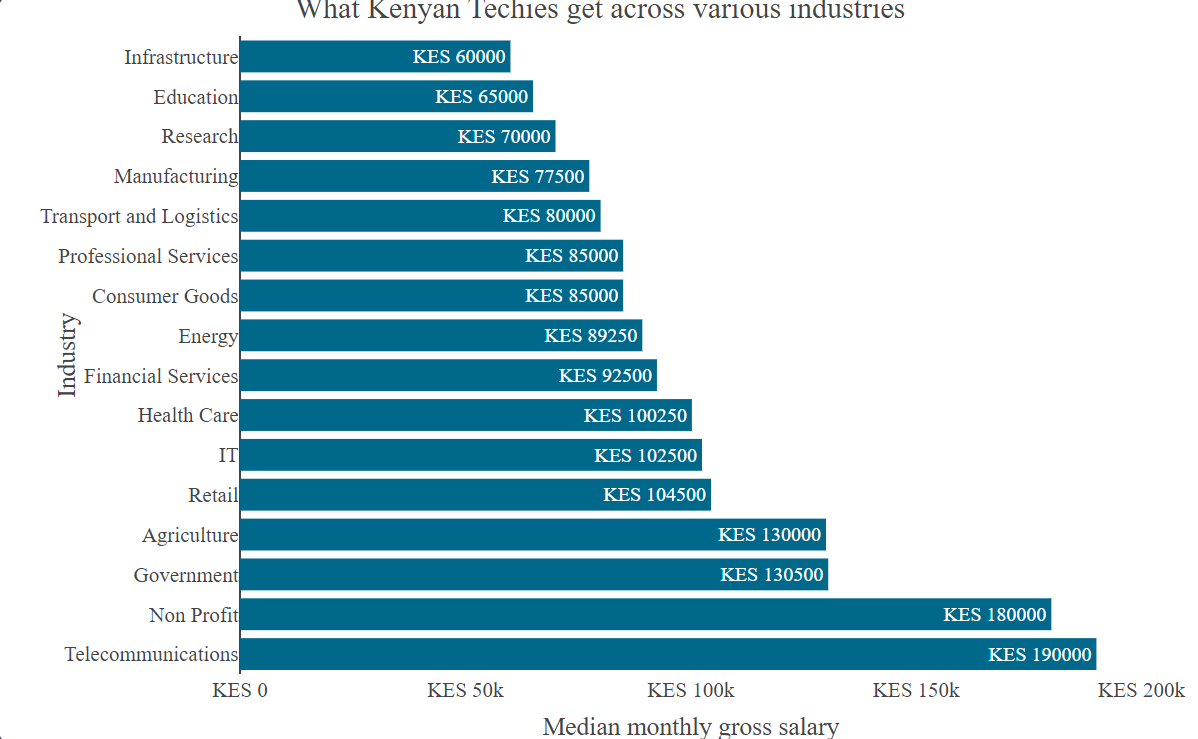
If there’s one reason I love data professions for is the fact that there are opportunities in almost all industries. The list below says it all, actually, this is after I had compressed it to a lean number for the sake of comparison.
The records are quite low to afford us a good ground for comparing salaries across various industries but we are able to get glimpses which could be building up an interesting narrative on salary comparisons across industries.
The data shows that salary varies widely across industries, reflecting different levels of demand for tech expertise and the financial capabilities of each sector. The data indicates that Nonprofits, Telecommunications seem to be offering higher salaries.
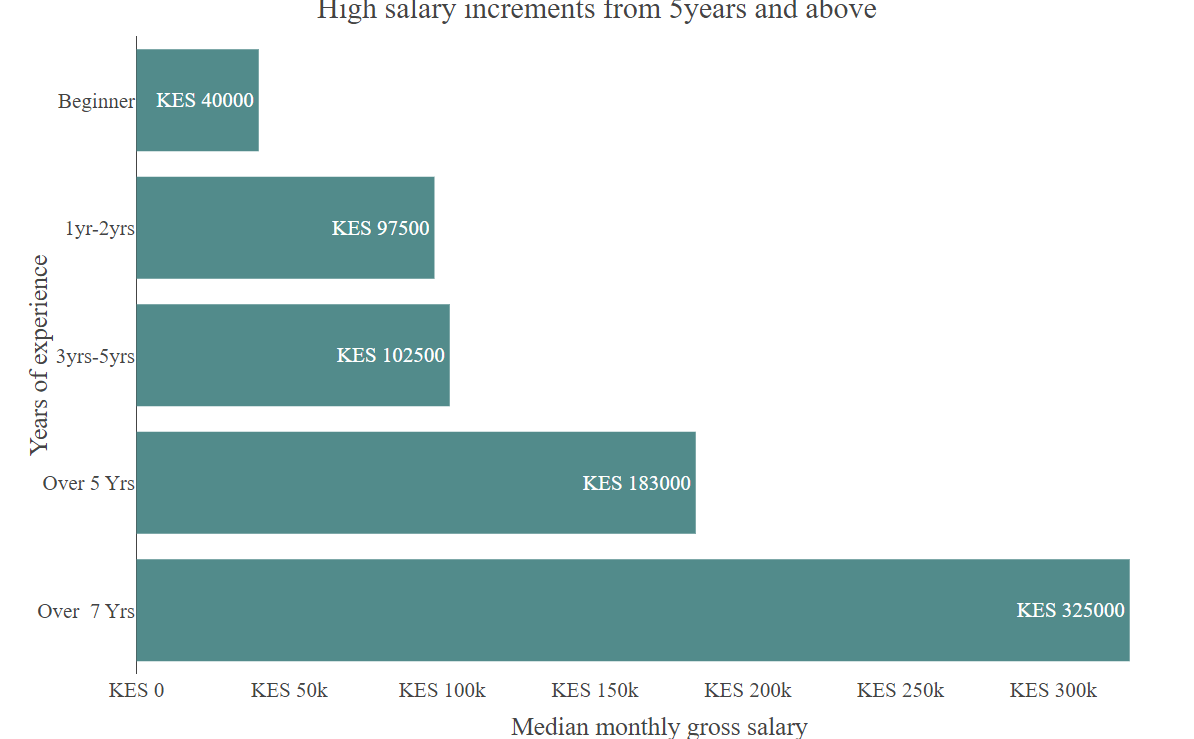
Salary increments are high from about 5 years of experience
As you’d expect, the more years of experience one has, the more the salary. Interesting to note though how the gap in median salary for the beginners and the categories up to at most 5 years experience, is quite low compared to categories above 5 years where the difference is over 80k. This could potentially be explained by the following reasons;
Steeper learning curve: Early in their careers, individuals are still learning the ropes and acquiring the necessary skills and knowledge. Their productivity and contribution might not be comparable to those with more years of experience, justifying lower salary increments.
Negotiation power: With more years of experience, employees are generally in a stronger position to negotiate for higher salaries and with their proven track record they’ll probably have competing job offers or leverage within their current company.
Professional certification and advancement in education: Experienced professionals might also have additional certifications which increase their market value.
Skill specialization: Experienced individuals often develop specialized skills that are often in higher demand and that command higher salaries which is unlikely in those with few years of experience.
Ladies in Tech - pay parity and representation
It’s lovely to see how ladies have jumped into the tech train in Kenya. From the submissions in this sample survey to the myriad ‘Ladies in Tech’ groups all over, they all seem to tell the same story - ladies have answered the call. From the submissions, 50.45% were from ladies suggesting that ladies have nearly equal representation in the profession.
The median salary for Female’s monthly salary is KES 104250, a little over the overall median (KES100000), while that of the Male is KES 97100.
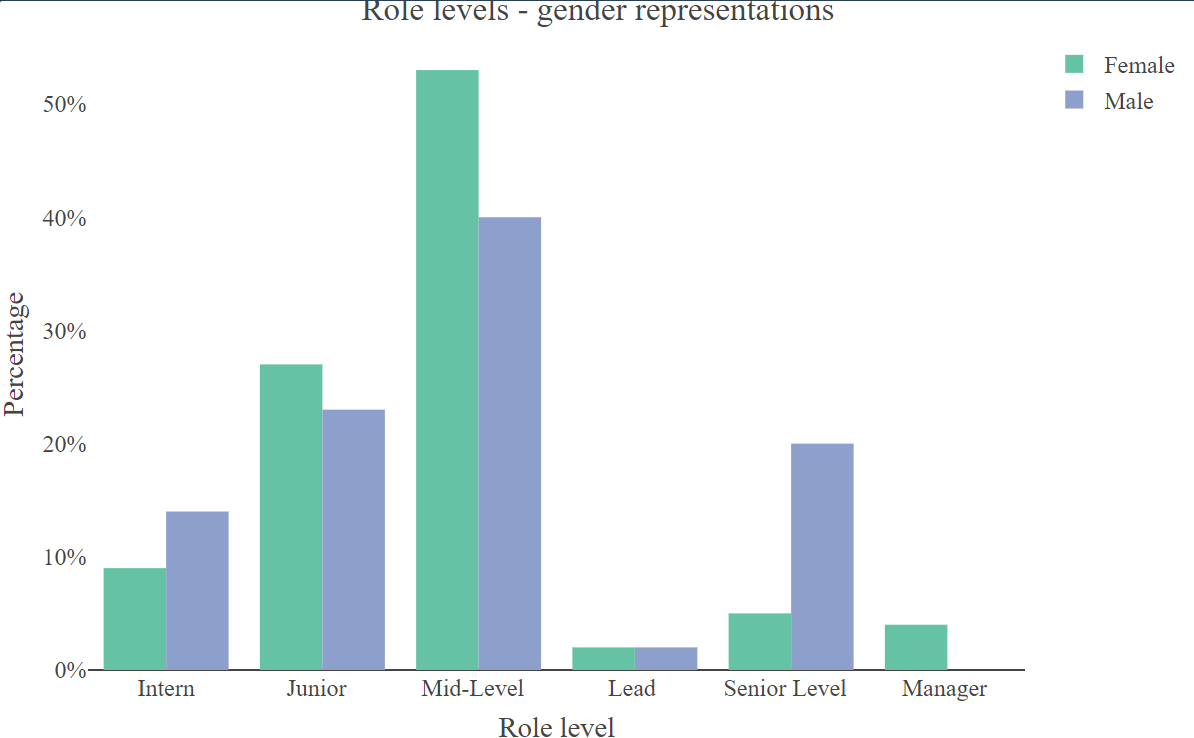
Seeing a comparable number of ladies in Senior positions is quite impressive as well, as much as the submissions in those categories are quite low. This positive trend is potentially a testament to the effectiveness of diversity and inclusion initiatives, supportive education programs, strong professional networks and ladies in tech networks, supportive workplace policies, and cultural shifts.
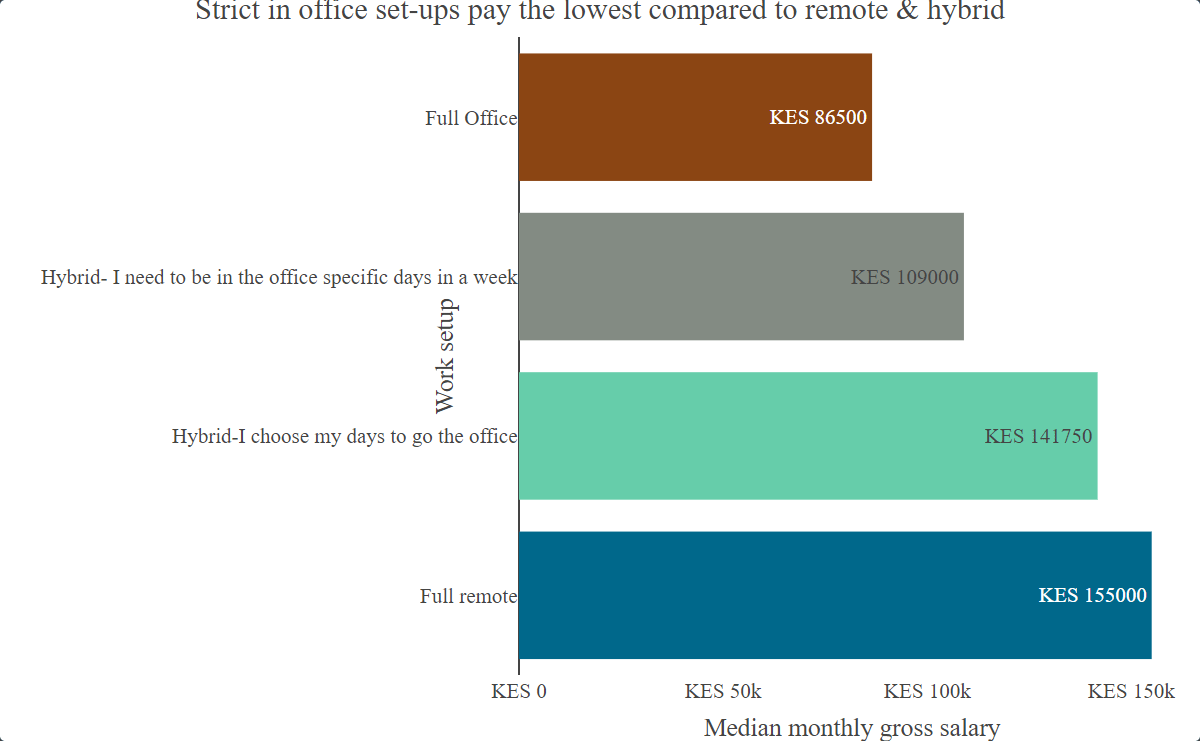
Low salaries for strict in-office compared to hybrid and fully remote work setups
That companies/organizations which require employees to be in office fully pay quite low compared to those with hybrid or fully remote setups is rather interesting. Could it be that the hybrid and fully remote are redirecting savings from low overhead and office costs to salaries?
From this data we see a dynamic and evolving landscape where industry specific demands, experience levels and gender parity play crucial roles. From the vast array of opportunities across almost all industries and other emerging ones, each with its unique compensation trends, to the impressive pay parity indicating a promising future for lady tech professionals in Kenya. Now, as the industry continues to grow and adapt to global trends, staying informed about salary dynamics will be essential for both employees and employers to thrive in this competitive market.